
-
Mysterious Hunter Alpha AI model disrupts geopolitical landscape
A mysterious AI model with unprecedented capabilities appeared anonymously on the OpenRouter platform on March 11, 2026, sparking speculation it may be a stealth release from Chinese firm DeepSeek AI. The model, called "Hunter Alpha," boasts one trillion parameters and is being offered free to users despite matching or exceeding leading Western AI systems, raising immediate concerns about market disruption and national security implications.
Read more -
Google DeepMind reveals cognitive framework to finally measure AGI
Google DeepMind unveiled a comprehensive framework Monday to measure progress toward Artificial General Intelligence, breaking intelligence into 10 core cognitive abilities and launching a $200,000 Kaggle competition to develop new AI benchmarks. The initiative, running through April 16, invites researchers worldwide to create evaluation tools for underassessed areas like metacognition and social cognition, marking a shift from task-based to theory-driven AI assessment.
Read more -
Nvidia’s strategic inference pivot fuels next AI wave
Nvidia CEO Jensen Huang unveiled a major strategic shift at GTC 2026 on Monday, pivoting the chip giant from AI training to inference-the real-time deployment of artificial intelligence-while doubling its market forecast to $1 trillion through 2027. The company introduced its Vera Rubin AI Platform, combining new CPUs and GPUs designed specifically for running AI applications at scale, as demand shifts from building AI models to deploying them globally.
Read more -
OpenAI GPT-5.4 Mini and Nano trigger subagent era
OpenAI unveiled two new artificial intelligence models on March 17, 2026, GPT-5.4 mini and GPT-5.4 nano-designed to power faster, cheaper AI systems for developers building complex multi-agent applications. The models offer near-flagship performance at a fraction of the cost, with mini priced at $0.75 per million input tokens and nano at just $0.20, directly challenging competitors like Anthropic's Claude and Google's Gemini.
Read more -
Context-aware Gemini upgrade sparks BigQuery Studio analytics shift
Google unveiled major upgrades to its Gemini AI assistant in BigQuery Studio today, expanding the tool from a basic code helper to a full-featured analytics partner that can discover data across projects and diagnose performance issues. The enhanced system maintains enterprise security standards while competing directly with similar offerings from Snowflake and Databricks in the rapidly evolving AI-powered data analytics market.
Read more -
Stakeholder auditing triggers speech recognition ground truth rethink
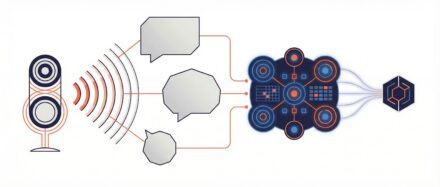
Researchers from Nature Machine Intelligence published a study Monday challenging how artificial intelligence speech recognition systems are tested, arguing that current methods fail to account for the multiple valid ways human speech can be transcribed. The team, led by Mona Sloane, proposes replacing traditional single-answer accuracy tests with a new framework that incorporates input from diverse stakeholders-including users, developers, and affected communities-to better evaluate whether these AI systems work fairly and effectively across different contexts.
Read more -
Snowflake, AWS, NVIDIA spark Data Cloud AI shift
Snowflake, Amazon Web Services, and NVIDIA unveiled a partnership Monday to bring powerful GPU-accelerated computing directly to enterprise data storage, eliminating security risks from moving sensitive information. The collaboration centers on AWS's new EC2 G7e instances, powered by NVIDIA's latest Blackwell GPUs, which Snowflake will integrate into its AI Data Cloud to accelerate artificial intelligence workloads while maintaining strict data governance.
Read more -
France triggers sovereignty probe into non-European tech dependence
French lawmakers unveiled 37 sweeping recommendations Wednesday to end the nation's dependence on American tech giants, calling for mandatory use of French-certified cloud services and a ban on free foreign software in government offices by 2027. The National Assembly commission's report, following a four-month inquiry into state reliance on companies like Microsoft and Google, proposes creating a cabinet-level position for digital sovereignty amid findings that critical sectors including health and education remain deeply dependent on non-European technology.
Read more -
Azure Databricks Serverless Workspaces availability reshapes enterprise data
Databricks announced the general availability of Serverless Workspaces for Microsoft Azure on March 13, 2026, eliminating the need for customers to manage cloud infrastructure when running data analytics and AI workloads. The new deployment model, available across multiple Azure regions, enables organizations to create Databricks environments in seconds with automatic scaling and per-second billing, though it requires Unity Catalog and lacks customer-managed networking options.
Read more -
P-EAGLE parallel decoding architecture fuels accelerated LLM inference
Researchers have developed P-EAGLE, a new system that speeds up artificial intelligence language models by up to 69% compared to current methods. The technology, tested on NVIDIA's latest B200 GPUs, generates multiple text predictions simultaneously rather than one at a time, eliminating a major bottleneck that slows down AI responses in applications like ChatGPT.
Read more -
Spotify Taste Profile triggers user-controlled music personalization shift
Spotify announced Tuesday at SXSW the beta launch of its "Taste Profile" feature, giving Premium subscribers in New Zealand unprecedented control over their algorithmic recommendations through natural language commands. The new tool allows users to directly edit listening data that shapes personalized playlists, home feed suggestions, and annual Spotify Wrapped summaries, addressing long-standing complaints about skewed recommendations from shared accounts or situational listening.
Read more -
French digital sovereignty risks trigger pragmatic strategy shift
France's National Assembly launched a parliamentary inquiry in March 2026 to investigate the government's widespread use of American digital tools like Microsoft and Google, citing serious risks to national sovereignty and data security. The commission, led by deputy Cyrielle Chatelain, will examine how foreign technology dependence affects critical sectors including health and education, with a final report expected in July 2026.
Read more











The newsletter of the future
Get a glimpse of the future straight to your inbox. Subscribe to discover tomorrow’s tech trends, exclusive tips, and offers just for our community.
