
-
The importance of Cross Validation
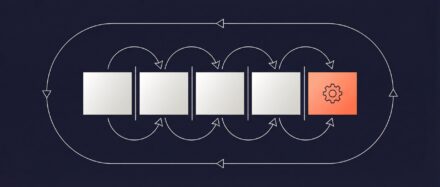
Cross-Validation is a method for testing the performance of a Machine Learning predictive model. Discover the most commonly used techniques and how to learn to master them. After training a Machine Learning model on labeled data, it is supposed to work on new data. However, it’s essential to ensure the accuracy of the model’s predictions […]
Read more -
Data Analysis: Definition, use of cases and tools
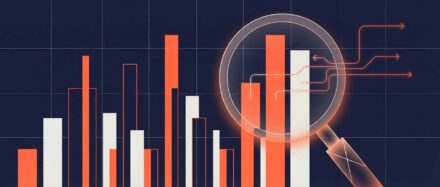
Data Analysis is increasingly used in companies in all sectors. Find out everything you need to know about it. Thanks to digital technologies, companies now have access to vast amounts of data. Understanding and analyzing this information is a valuable asset. Data Analysis is the process of cleaning, transforming, and modeling data. The objectives? To […]
Read more -
Convolutional Neural Network: Everything You Need to Know
In this section, we will focus on one of the most powerful algorithms in Deep Learning: Convolutional Neural Networks (CNNs). These are powerful programming models that enable image recognition, in particular, by automatically assigning a label to each image provided as input, corresponding to the class to which it belongs. Welcome to the third episode […]
Read more -
Classification algorithms: Definition and main models
If machine learning allows organizations to be more efficient and make the best decisions, it is essential for data science experts to master various artificial intelligence algorithms. There are dozens of these algorithms, each serving a specific purpose. In this article, we will precisely examine the different classification algorithms. What is a classification algorithm? Definition […]
Read more -
Facebook Prophet : All you need to know
Facebook Prophet is an open-source Python library offering an intuitive, automated approach to capturing trends, seasons and exceptional events in time series. Discover why this Machine Learning-based tool has revolutionized predictive data analysis! One of the great recent technological advances is the ability to predict future trends from historical data. This is one of the […]
Read more -
KNN: What is the KNN Algorithm ?
The K-Nearest Neighbors (KNN) algorithm is a machine learning algorithm belonging to the class of simple and easy-to-implement supervised learning algorithms. It can be used to solve classification and regression problems. In this article, we will delve into the definition of this algorithm, how it works, and provide a practical programming application. KNN : Definition […]
Read more -
Demystifying Power BI Date Formats: The Most Commonly Used Formats
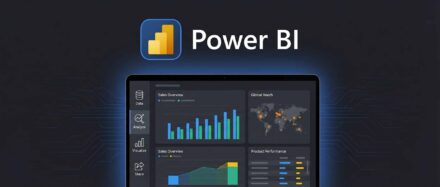
<p>Power BI is a business analysis and data modelling service for confident decision-making. By connecting all your data sources at the scale you need, you can visualise and share insights across the whole organisation. Power BI is based on the principle of Business Intelligence. Many users have difficulty formatting dates in Power BI. Find out […]</p>
Read more -
GO Frameworks: Comparison and Tips for Your Projects
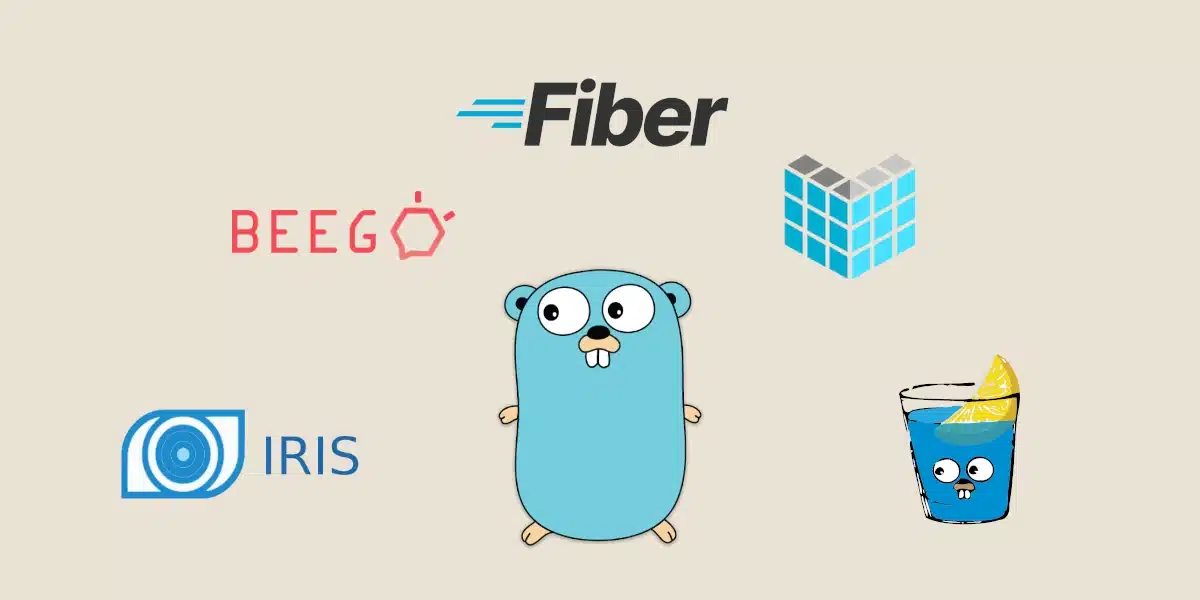
Go (or Golang) is a programming language created by Google. It is multi-paradigm, statically typed, and compiled. With syntax similar to C, it is ideal for developers familiar with C.
Read more -
What is Programming Language Theory?
The theory of programming languages is an essential branch of computer science that focuses on the design, analysis, characterization, and classification of languages used to communicate instructions to a computer.
Read more -
Automation Script: What is it? What is it used for?
Task automation, whether it’s for repetitive processes or to increase the accuracy of certain operations, has become a very important, sometimes overlooked, component that can save a considerable amount of time, and therefore money. But what distinguishes scripting languages from traditional programming languages? Why and how should one consider task automation via scripting? We will […]
Read more -
Julia: The language created for data science and research
Julia is a modern programming language that is both powerful and increasingly popular in the fields of data science, scientific computing, and artificial intelligence. Although it hasn’t yet reached the top tier of popular languages-dominated by giants like Python, R, or MATLAB-it represents a contemporary vision of technical computing, with its adoption being aimed at demanding niches such as HPC, mathematical modeling, and high-performance machine learning. While Julia is currently a daring bet against established norms, it has the potential to become the language of the future for those unwilling to compromise on speed and productivity. Discover why this language is worth exploring and how it could transform your coding experience!
Read more








The newsletter of the future
Get a glimpse of the future straight to your inbox. Subscribe to discover tomorrow’s tech trends, exclusive tips, and offers just for our community.
