
-
DocString: What is it? What is it used for?
<p>Docstrings are chains of documentation that are very useful for sharing code, evolving it, working in groups and detecting errors, among other things. Let’s find out more about them and their benefits. Defining a DocString in Python A DocString represents the documentation for a piece of code. This makes it very easy for you and […]</p>
Read more -
AI and Cybersecurity: What are the benefits? What are the risks?
The AI cybersecurity market is anticipated to swell from 1 billion dollars to 34.8 billion dollars by 2025. With hackers becoming more sophisticated, the exponential growth of data, and the ever-expanding attack surfaces, computer security professionals must leverage every available tool to safeguard data. Artificial Intelligence stands as one of these pivotal tools. Yet, this technology, while immensely beneficial in warding off cyber threats, is not without its risks.
Read more -
Neural vs Neuronal: What is it? What’s the difference?
Discover DeepSeek Coder V2, the AI that transforms programming. From code generation and debugging to optimization: see how this tool enhances developers’ productivity while minimizing errors. Explore its features, advantages, and limitations in detail.
Read more -
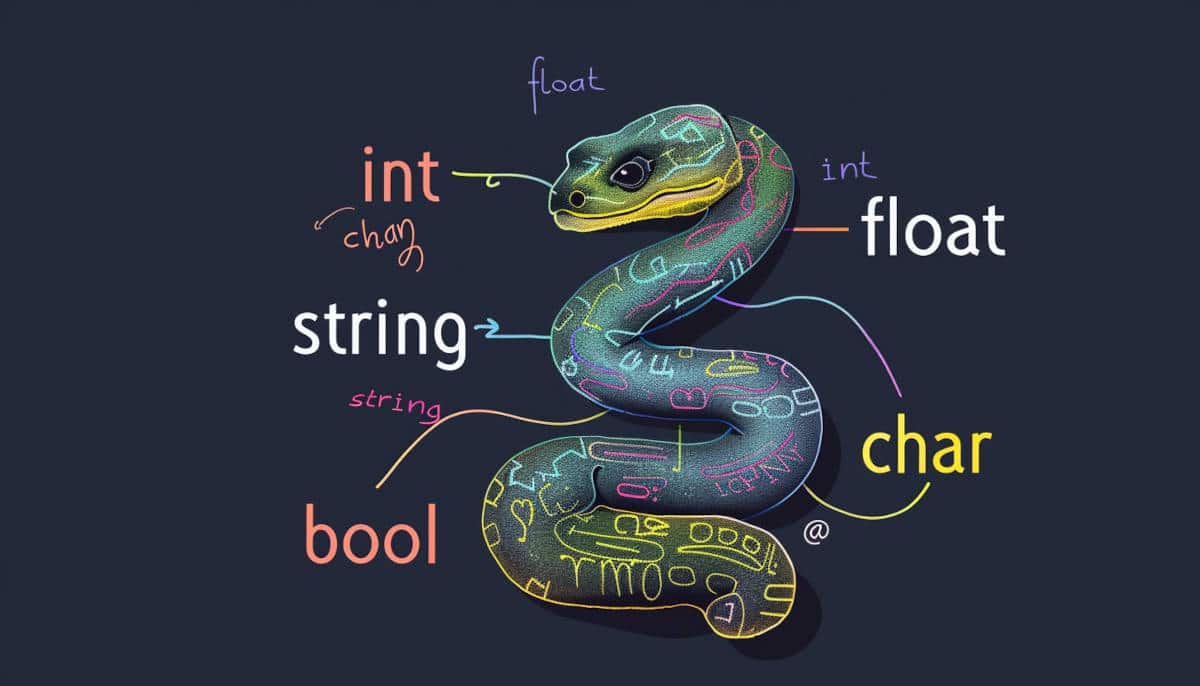
Python Variables: The Beginner’s Guide
Python variables are an unavoidable aspect of programming in this language. Learn what they are, how they work, and how to master them for use in your programs!
Read more -
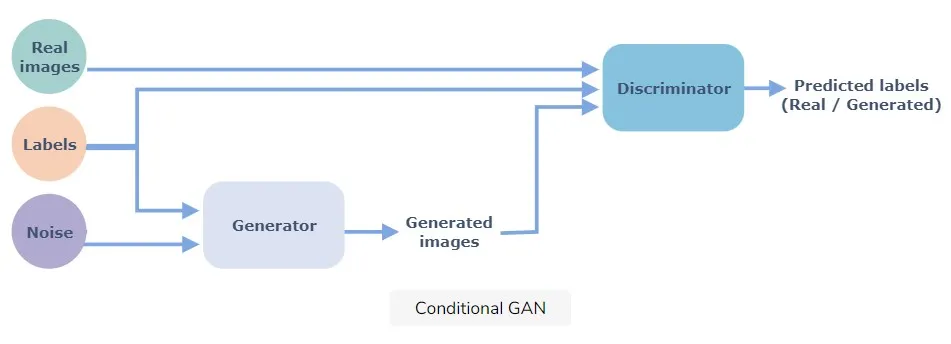
What is a Conditional Generative Adversarial Network (cGAN)?
The Conditional Generative Adversarial Network (cGAN) is a model used in deep learning, a derivative of machine learning. It enables more precise generation and discrimination of images to train machines and allow them to learn on their own. The concept of cGAN was first published in 2014 by Mehdi Mirza and Simon Osindero.
Read more -
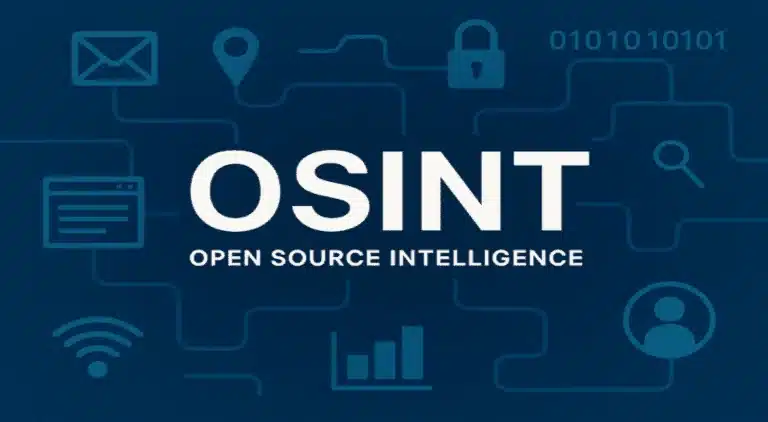
OSINT (Open Source Intelligence): What is it? Who can use it?
<strong><b>OSINT, or open source intelligence, is revolutionizing the norms of cybersecurity. By utilizing publicly accessible information, it allows for threat anticipation, conducting investigations, and protecting organizations without breaking the law. Discover how OSINT operates, what tools to use, and why this discipline is becoming indispensable in cybersecurity professions.</b></strong>
Read more -
Guide and Benefits of Procedural Programming for Developers
Read more -
Deepseek Coder V2: The AI that revolutionizes developers’ daily lives
Discover DeepSeek Coder V2, the AI that’s transforming the landscape of programming. From code generation and debugging to optimization, this tool enhances developers’ productivity while cutting down on mistakes. Explore its features, benefits, and limitations.
Read more





The newsletter of the future
Get a glimpse of the future straight to your inbox. Subscribe to discover tomorrow’s tech trends, exclusive tips, and offers just for our community.
