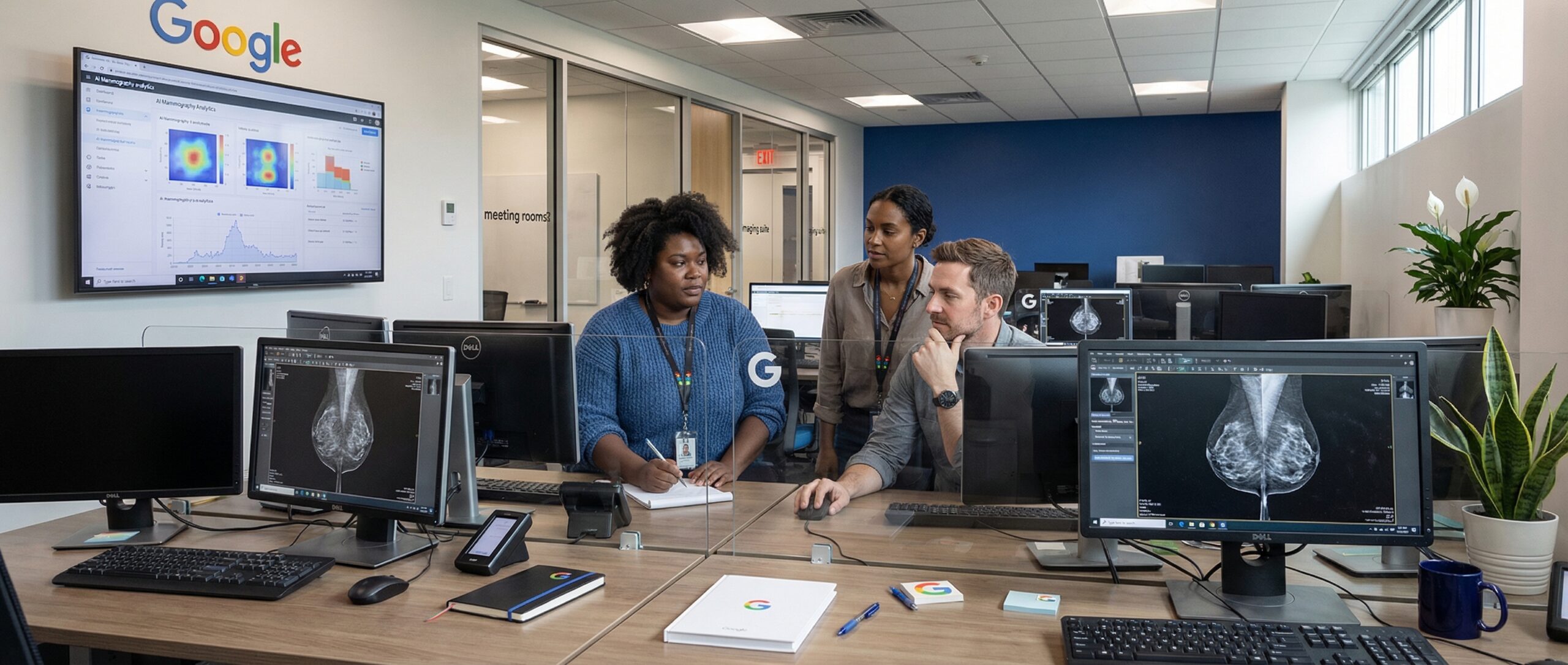
Google’s artificial intelligence system for detecting breast cancer could reduce NHS screening workloads by 40% and catch previously missed cancers, according to new research published in Nature Cancer. The AI technology, developed through collaboration between Google, Imperial College London and the NHS, successfully identified 25% of cancers that human radiologists had missed during routine screenings. While initial trials across 12 London screening sites show promise, widespread NHS deployment awaits regulatory approval and further clinical testing.
The breakthrough technology, detailed in studies published in Nature Cancer, represents a significant advancement in medical AI but faces several hurdles before becoming standard practice across Britain’s healthcare system. The Medicines and Healthcare products Regulatory Agency (MHRA) must first approve the system as a medical device, a process that could take months or years depending on clinical trial outcomes.
The AI system was trained on 125,000 mammograms and demonstrated its ability to detect interval cancers that develop between routine screenings. These previously missed cancers, which the AI identified in 25% of cases, often prove more aggressive and harder to treat when discovered later.
Regulatory Path and Timeline
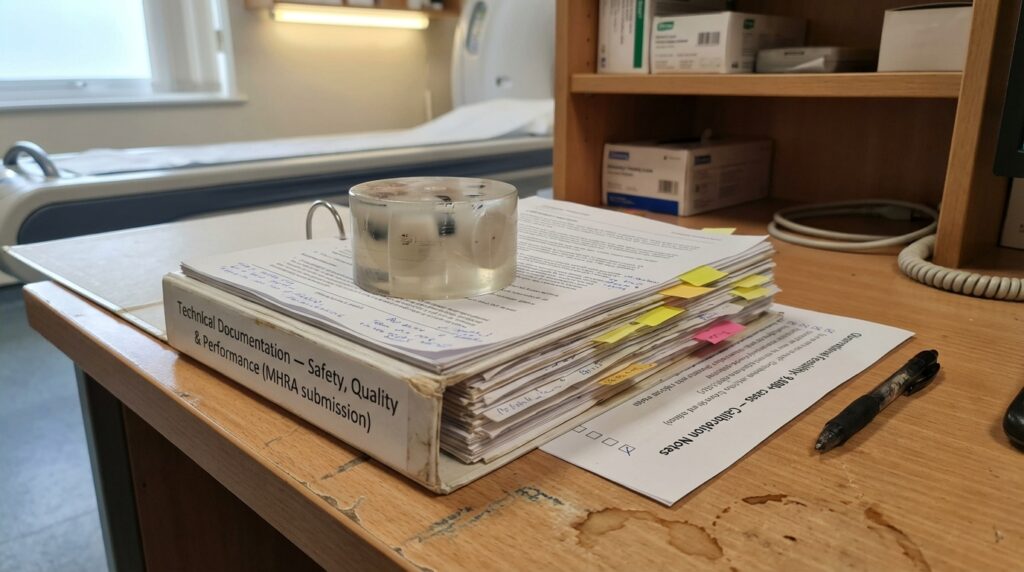
According to MHRA guidelines, Google’s AI falls into a higher-risk classification because it directly influences clinical diagnosis and patient management. The company must provide extensive technical documentation demonstrating the system’s safety, quality, and performance before securing approval.
An observational feasibility study has already processed over 9,000 cases across the twelve London screening sites in a non-interventional capacity. The pilot revealed that the technology requires careful calibration for different clinical environments, equipment types, and patient populations rather than functioning as a simple plug-and-play solution.
No specific timeline for full NHS deployment has been announced. The next phase will involve prospective clinical trials to generate additional evidence of safety and efficacy in live clinical settings.
Operational Benefits and Challenges
The potential 40% reduction in screening workloads could help address both the nationwide screening backlog and the global shortage of radiologists, according to the research involving over 50,000 women. The system functions as a “second reader,” augmenting rather than replacing human expertise.
However, the studies noted instances where specialists correctly overruled AI recommendations, highlighting the critical balance between leveraging artificial intelligence and preserving clinical judgment. This underscores the need for comprehensive training programs to prevent both under-reliance and over-reliance on the technology.
Key ethical considerations include ensuring patient consent for data use, maintaining algorithmic transparency, and preventing bias across diverse populations. The system must undergo validation across different ethnic groups and age ranges to avoid amplifying existing health inequalities.
While procurement, integration, and maintenance costs remain undisclosed, health economists will need to weigh these expenses against potential savings from reduced workloads and improved patient outcomes through earlier cancer detection.
Sources
- nature.com
- gov.uk