The new scanner employs a stateful approach that understands logical sequences and data dependencies within APIs, a significant departure from traditional stateless security tools that treat each request independently, according to Cloudflare’s blog announcement. This methodology specifically targets business logic flaws that conventional scanners miss.
How It Works
The scanner operates through a sophisticated multi-step process. First, it ingests a customer’s OpenAPI specification to construct an “API call graph” that maps relationships between different endpoints. Cloudflare’s Workers AI platform then analyzes this graph to automatically infer data dependencies, even when naming conventions differ across endpoints.
The system executes scans using two authenticated contexts: an “owner” who creates resources and an “attacker” who attempts unauthorized access. When the attacker successfully manipulates resources they shouldn’t control, the scanner flags a critical vulnerability.
Market Impact
The beta release, available now to all API Shield customers, initially focuses on Broken Object Level Authorization (BOLA), ranked as the top threat on the OWASP API Security Top 10 list. Cloudflare plans to expand coverage to include SQL injection and cross-site scripting vulnerabilities in the near future, the company stated.
This launch positions Cloudflare directly against specialized API security vendors like Salt Security and Noname Security, as well as traditional application security testing providers including Checkmarx and Invicti. By bundling advanced scanning capabilities into its existing security suite, Cloudflare offers customers a compelling alternative to standalone solutions.
The scanner’s deep integration with Cloudflare’s edge network creates a unique advantage. It combines passive traffic analysis from API Discovery tools with active vulnerability testing, enabling real-time verification of potential threats identified in live traffic, all within a single platform.
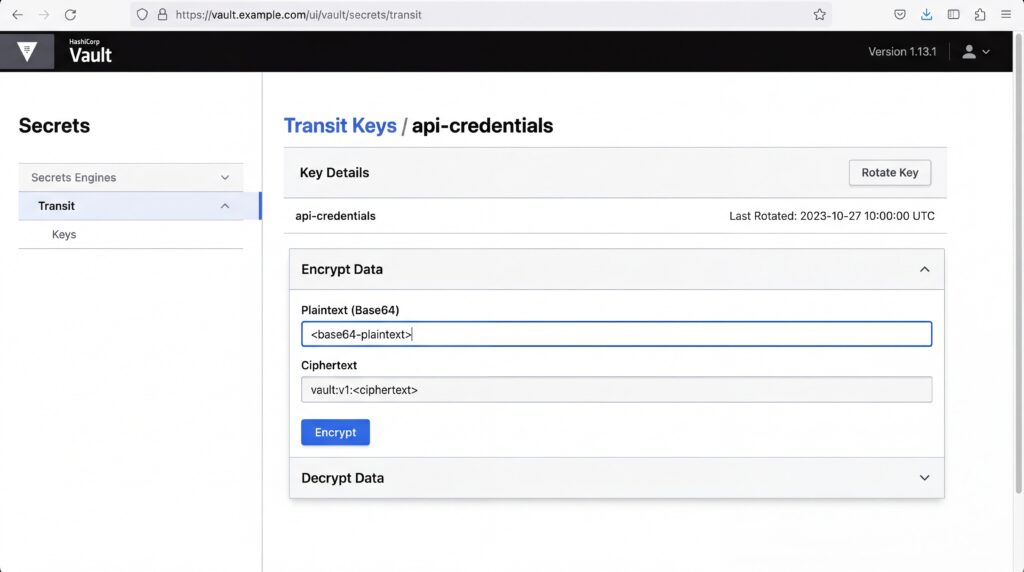
For data protection, Cloudflare employs HashiCorp’s Vault Transit Secret Engine to encrypt customer credentials, ensuring they remain secure throughout the scanning process. The company has not yet disclosed specific detection accuracy metrics or future pricing models for the service.