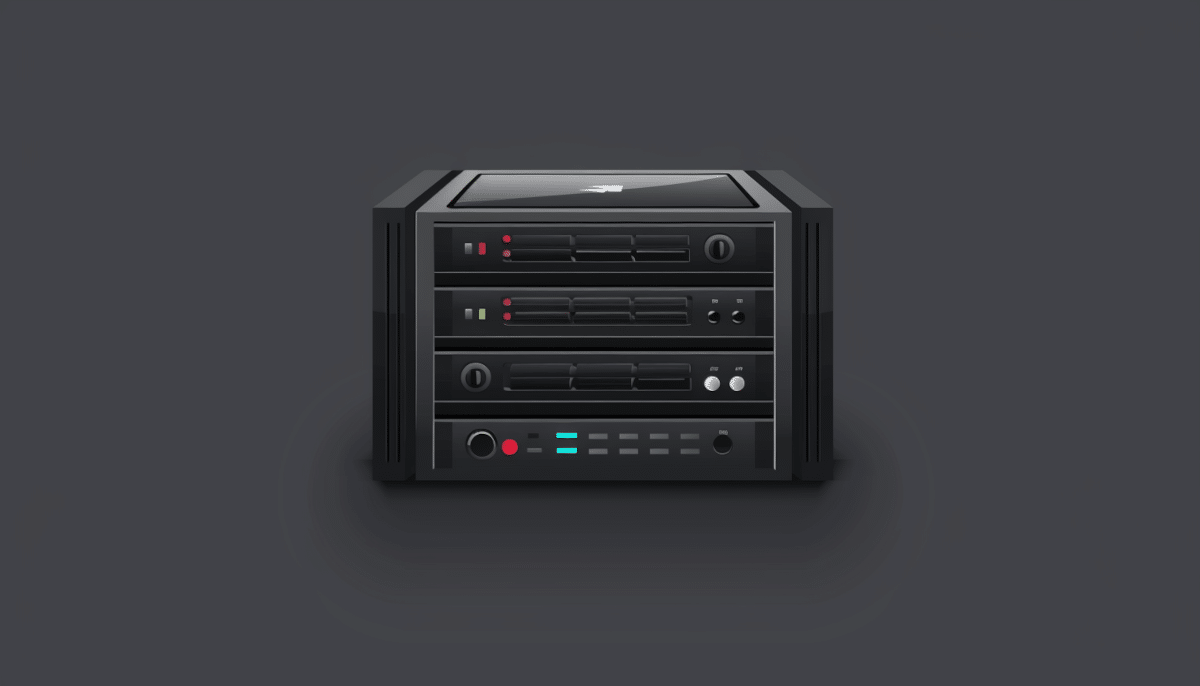
Network Attached Storage (NAS) systems are engineered to streamline the storage, access, and administration of files across a network. They provide effective solutions for managing the vast amounts of data generated on a daily basis.
What is a NAS ?
As a data storage solution that connects to a network, NAS allows users to store and access files from multiple computers and devices. Unlike external hard drives or USB sticks that connect directly to a computer, a NAS server is accessible by multiple users at the same time across a local network (LAN) or via the Internet.
Key components of a NAS
A NAS server represents an advanced storage solution, comprising various hardware and software components.

Enclosure and Hard Drives
The NAS features an enclosure that houses hard drives, which can range from a single slot to several dozen. The drives, whether HDD or SSD (the latter offering increased speed and resistance to shocks), often employ a RAID configuration to enhance reliability and performance.

Network Connectivity
Equipped with Ethernet ports, NAS systems connect to the local network, offering speeds from 1 to over 10 Gbps for rapid data transmission.

Processor and Memory
The operating system supports various file-sharing protocols and integrates security measures and backup functionality.
Operating System
Le système d’exploitation spécifique supporte divers protocoles de partage de fichiers et intègre des outils de sécurité et sauvegarde.
Software
NAS systems come bundled with various software and applications that expand their capabilities, including media servers, video surveillance tools, and backup and synchronization applications, among others.

Power Supply
A stable power supply and efficient cooling are vital to prevent downtime and overheating.
What are the features and benefits of a NAS?
A NAS provides numerous features to accommodate the diverse data storage and management needs of businesses and individuals alike.
Cross-Platform Sharing
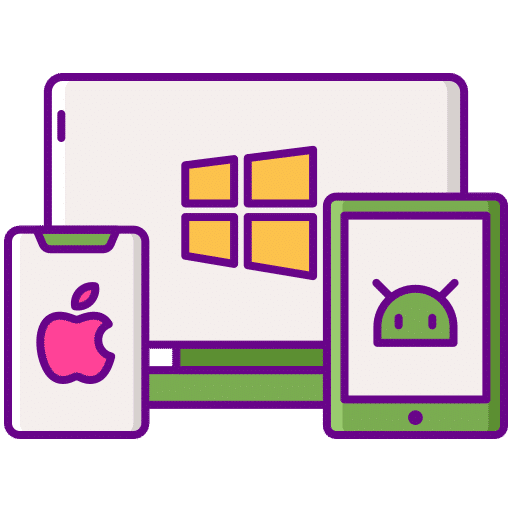
NAS simplifies file sharing within a network, allowing users of different operating systems to access and share files effortlessly.
Storage and Scalability
Users can initiate with a modest setup and augment hard drives or upgrade existing ones to larger capacities as their needs expand.

Security
Contemporary NAS devices come equipped with advanced security features, including file encryption, integrated antivirus software, and snapshots for reverting to previous file versions in the event of corruption or loss. Additionally, the RAID configuration frequently employed in NAS setups offers extra safety against data loss by duplicating data across multiple drives.

Remote Access
NAS can act as a personal cloud, granting secure access to files from anywhere over the Internet.

Integrated Applications
The functionality of NAS devices can be extended to encompass media servers, video surveillance solutions, and database management systems, etc.

Backups
The capability of NAS to automate routine data backups ensures that crucial information is safeguarded against unexpected circumstances.

Energy Efficiency
Designed for energy conservation, NAS devices consume less power compared to traditional servers, offering ecological and economic advantages.
Comparative overview of NAS options on the market
The NAS server marketplace provides a plethora of choices tailored to meet all requirements:
For Home Users and Small Offices
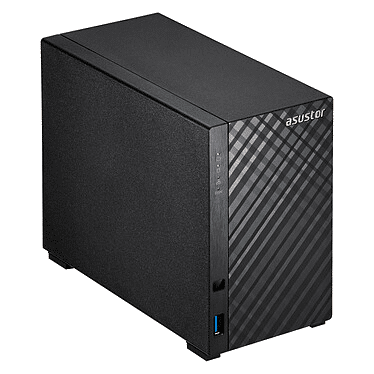
These models are typically compact, user-friendly, and economical. They offer an ideal solution for file storage and sharing needs at home or in small office settings. Capable of supporting a limited number of hard drives, they often include multimedia functionalities, like video or music streaming services.
For SMBs
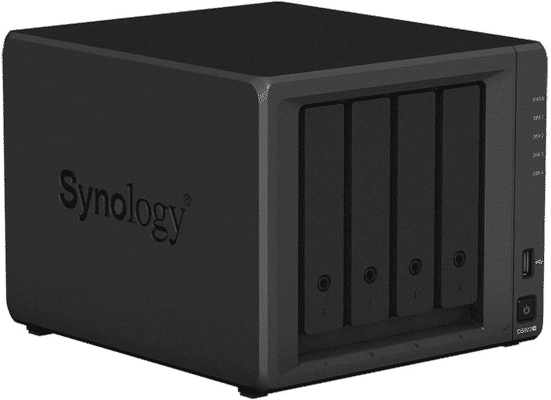
NAS devices designed for SMBs feature more advanced capabilities than those intended for personal use, including superior network protocol support, enhanced security measures, and the ability to accommodate a greater number of disks.
For Enterprises
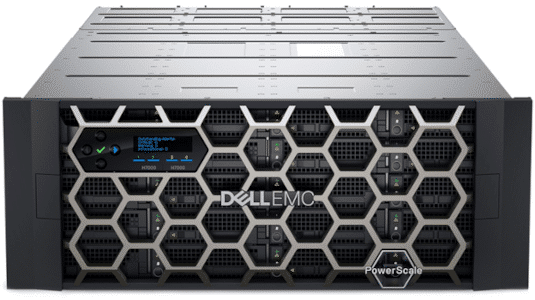
Intended for large organizations with substantial data storage requirements, these NAS systems are highly customizable and scalable. They typically support intricate RAID configurations, speedy networks, and redundancy features for optimal reliability.
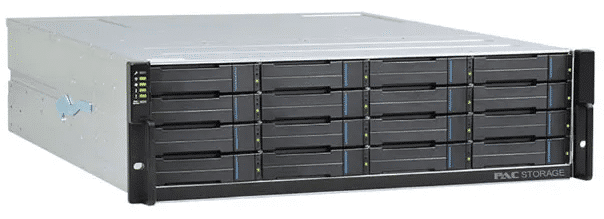
Scale-Out NAS
These systems are geared towards environments with continually expanding data storage needs, such as clustered NAS configurations for improved scalability and performance.
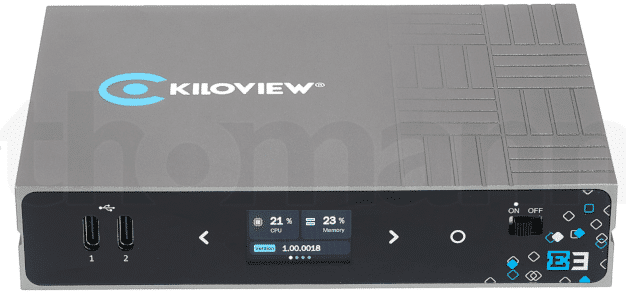
Customized Solutions
Certain NAS devices are custom-built for specific uses, such as video surveillance or data backup scenarios, demonstrating a flexibility in data management approaches.
Conclusion
NAS servers stand as a robust and adaptable solution for data storage and management, meeting the needs of both individual users and organizations of every size. Investing in a NAS is a strategic decision for any entity focused on efficiently managing its data in the rapidly advancing digital landscape.